











Globe ad: artful smut
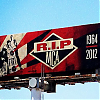
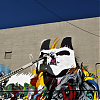
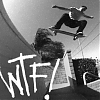
Globe get all retro with their film work for their top-notch retro boards. Reminds me of bombing hills on a green Variflex, aged twelve—minus the loose-bearing noise and plus classically Californian girls in delightful daywear. (They didn’t make those in Bournemouth.)
We don’t want to get too Monster Childreny here; this is a good looking ad even without the arses and such. Right?
—Chris Noble, 25 May 2012
Color Me Obsessed: A Film about The Replacements
The Replacements might be one of the most important American rock and roll bands ever, and Color Me Obsessed is an oral history told by their friends and fans. This film was made with current fans in mind, and they’re likely to love it. I caught a screening at Austin’s own Alamo Drafthouse where director Gorman Bechard was on hand for questions.
“Not wanting to make a VH1/where-are-they-now style documentary, I decided to present the band in a more iconic way,” Bechard explains. “I thought, people believe in God without seeing or hearing him but rather through the passion, faith, and stories of others. After watching Color Me Obsessed, I’m pretty sure music fans will believe in The Replacements in much
—Roy Christopher, 01 May 2012
Ice Cube on Charles and Ray Eames
Game recognize game. As unlikely as it might seem, veteran emcee Ice Cube studied architectural drafting before becoming one of the architects of West Coast Rap music. In this video clip from Pacific Standard Time, he extols the ephemeralization of LA-based mid-century modern designers Charles and Ray Eames. Hip-hop was created by making a lot out of a little, and the Eames were the masters of that.
Cube also drops science on Los Angeles in general, including the modes and moods of its traffic.
As Charles Eames himself once said, “Eventually, everything connects.”
Word.
—Roy Christopher, 19 April 2012
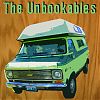
The Unbookables are a loose band of comedians (emphasis on “loose”) handpicked by Doug Stanhope.This movie documents their 2008 tour of the middle of the country, from my own Austin, Texas through Kansas City, Missouri to Peoria, Illinois. The cast of characters (emphasis on “characters”) includes Brendon Walsh, Sean Rouse, Andy Andrist, Norman Wilkerson, Brett Erickson, Travis Lipski, James Inman, and Kristine Levine. The unfortunate star of the show is James Inman. If nothing else, this film documents how reckless behavior can bring people together as well as single out one of them.
The first gig is at Nasty’s in
—Roy Christopher, 17 April 2012
goodstuff 042

peoplemusic
Miller Beats
I had a chance to catch up with San Francisco-based, multi-talented, electronic musician Travis Miller while he was out on the East Coast before heading to Amsterdam for a semester at the Gerrit Rietveld Academie. He offered up some insight into his work, influences and upcoming EP.
I guess to start from the beginning, how did you get into making music? Tell me about some of the really early stuff you worked on, what you’re up to now, that kind of thing.
I’ve been making music forever. I used to be super-into punk, and in like eighth, ninth and tenth grade I was in a ska band. I started making beats my first year of college; I was 18
—Omar Almufti, 07 November 2011
SHARE: FACEBOOK TWITTER LINKEDIN STUMBLEUPON G+
goodstuff 041








sportproduct
Old School for the Next School
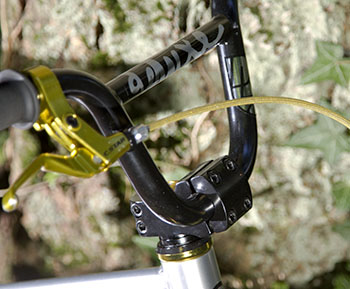
Being somewhat fussy about these things—actually, about everything—I found looking for a bike for my then-soon-to-be-six-year-old son Leif to be less than fruitful. At my moment of despair, having seen numerous overbuilt and predictably ugly offerings from other mainstream BMX brands, I stumbled across SE Bikes’ 16” Lil’ Ripper. I owned both the PK Ripper and 24” Floval Flyer back in my BMX days, so I had to have it. I mean, he had to have it.
The bike’s big daddy, the PK Ripper, is the most legendary of BMX frames. Named after Perry Kramer, a famed pro BMX racer of the late-70s, the PK stood out with its aluminium construction, flat/oval (or “floval”) maintubes and looptail
—Chris Noble, 18 October 2011
I have—sorry—he has the 2011 model; the 2012 has changed little—street tyres (which look a bit odd on what was never a “street” bike) and new colors. MSRP: $329
BTW, FYI, no kid ever needs stabilizers/training wheels: start them out on a scoot-along bike around 18 months and you’re golden
SHARE: FACEBOOK TWITTER LINKEDIN STUMBLEUPON G+





Tour de Kyoto
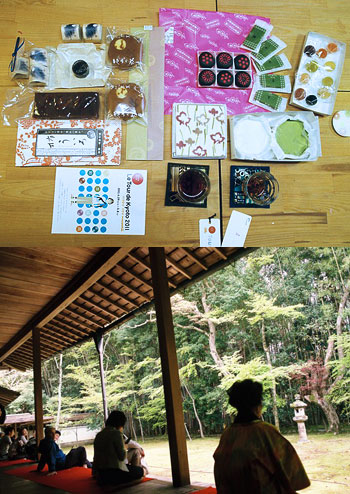
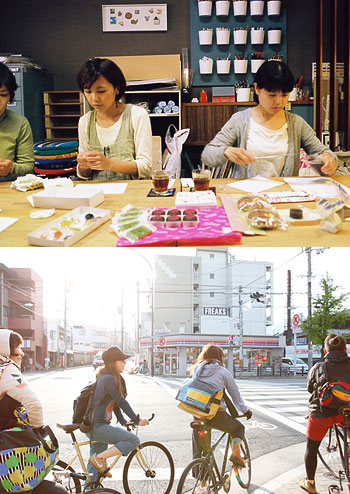
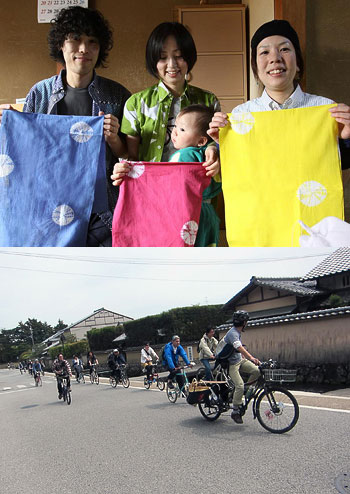
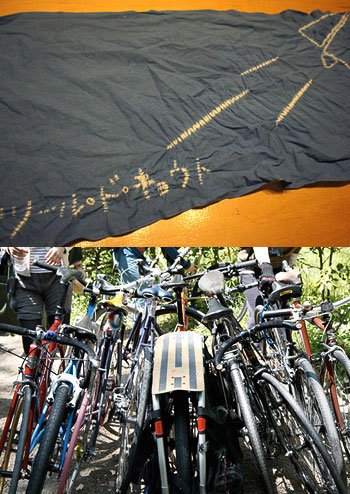
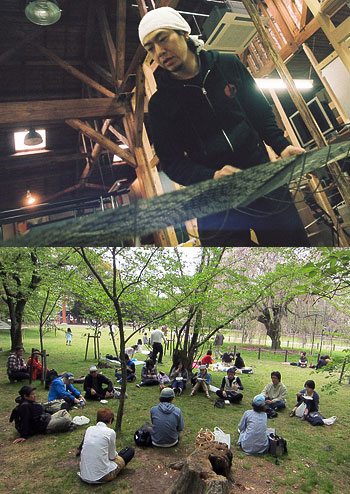
Bicycle culture is on the increase around the world; the number of related events, projects and collaborations seems to be growing every day. It’s good to see that the Paper Sky Bicycle Club is continuing to expand on their series of talks and events with their annual Tour de Kyoto in the old capital, Japan’s most bike-friendly city.
The event took place over ten days during the Golden Week holiday with the simple idea of bringing Japanese local culture and people together through cycling. The first stage began with a ride around the city, taking in beautiful temples and parks and a climb up the steepest hill in Kyoto. The day ended at one of the last remaining running water
—Lee Basford, 29 July 2011
Papersky ran this thing, with help from Sou Sou (who also have a US site), Groovisions, Cosset Bags and the artisans at Kameya Yoshinaga and kyoshibori
goodstuff 040
productart
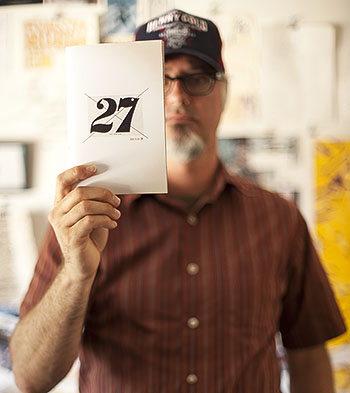
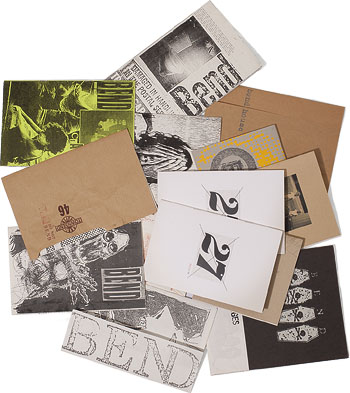
Andy Jenkins on Bend 20
Andy Jenkins should need little introduction to the Level reader. His ‘Glimpses’ pages were a regular highlight of this magazine’s print incarnation and a fair proportion of you will know him formerly as Art Director/Master Cluster member at Wizard Publications “back in the day” and/or currently as Art Director and virtually founding member of Girl Skateboards.
In addition, his artistic endeavors will be familiar to many through his gallery shows across the globe, published works (such as his illustrations currently gracing the pages of The Skateboard Mag) and his less-credited artwork for a few good Hollywood movies.
Jenkins has a stubborn bent for print publications, having cut his teeth living and breathing them under Bob Osborn’s encouraging gaze, and his self-made, self-published
—Chris Noble, 28 July 2011
Find Bend 20 and more from Andy on his Bend Press web mechanism
Being an irregular contributor to this website, you can read what Andy has to say about himself right here
SHARE: FACEBOOK TWITTER LINKEDIN STUMBLEUPON G+
Ruination episode 2
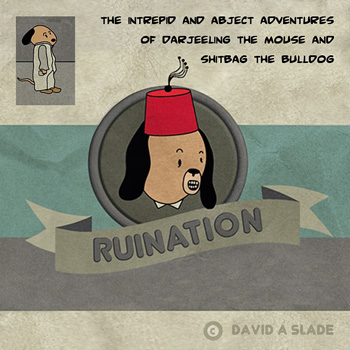
Darjeeling the mouse almost overcomes his psychopathic tendencies to bring sweet mercy to Shitbag the Bulldog. In the end mercy is not on the agenda as nature takes its nihilistic course.
goodstuff 039

musicpeople
Kenna’s Water/Music
Kenna understands that there is so much more to this world than silver and gold. A model of meaning guides his career moving forward from two remarkable albums with a series of three EPs, the Land 2 Air Chronicles. The first release, Chaos and the Darkness, is a gripping example of music with a distinct purpose. I had a chance to listen to Kenna talk about the record and play a few other songs on the piano and the spur of the moment in front of perhaps twenty people at the studio he’s been using in Manhattan. Then, when I called him up to do the interview, he made life easy by saying a lot of really cool stuff. Kenna
—Omar Almufti, 24 June 2011
SHARE: FACEBOOK TWITTER LINKEDIN STUMBLEUPON G+

older
newer
contents
